
Sports
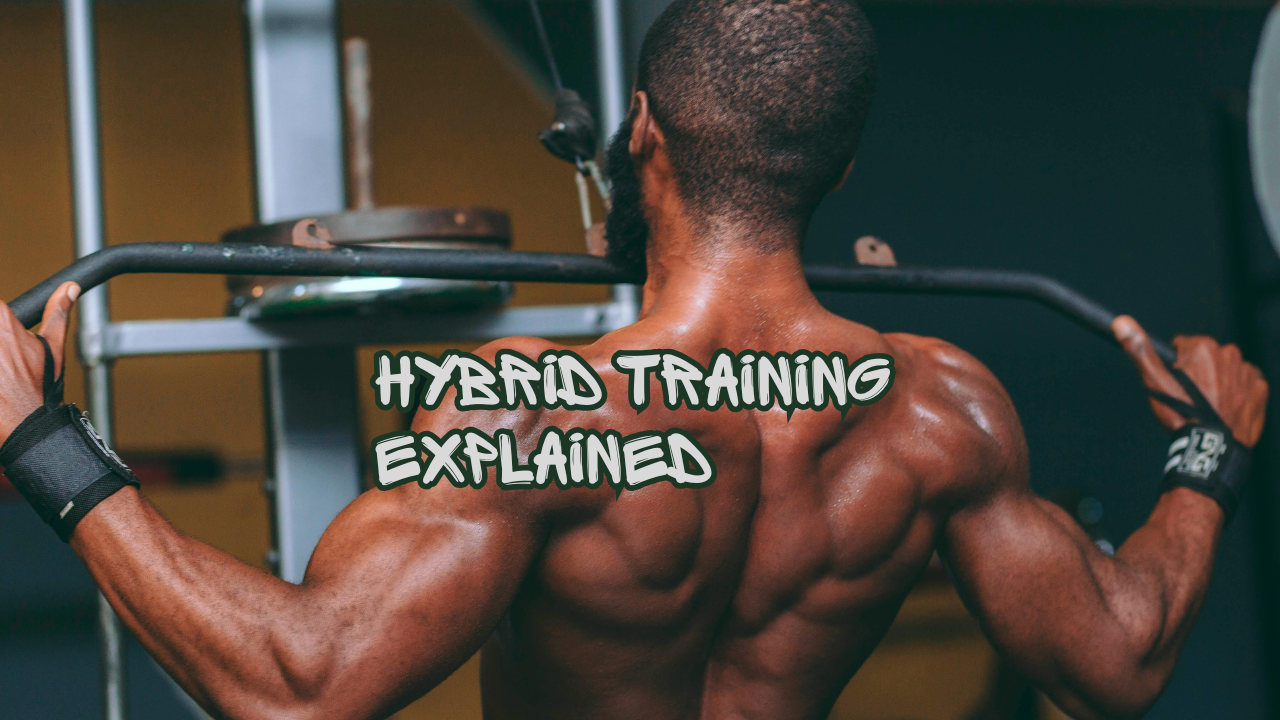
Hybrid Training Explained | Combining Strength, Cardio, and Mobility

What Is Hybrid Training?
A hybrid school is a fitness approach that combines electrical training, aerobics and mobility work into a balanced daily routine.
Instead of just going for muscle, just hiking, or the easiest school for flexibility, a hybrid school allows you to fit more successfully and stronger, as well as cellularly in normal lifestyle.
Think of it as building a frame that can carry heavy loads, stroke properly, run without getting tired too quickly, and be good at slower speeds.
That’s why hybrid training is popular among gymnasts, athletes, busy professionals, and beginners who want a complete holistic approach as opposed to a one-dimensional training program.
That’s how the fitness subculture goes. The American College of Sports Medicine indexed some of the top fitness traits for 2026: wearable age, fitness for seniors, physical games for weight management, cell training apps, and balance/center strength
Why Hybrid Training Is Becoming So Popular
For years, gym culture was divided into groups.
Some people focused only on lifting weights.
Some focused only on running or cycling.
Some only stretched when something started hurting.
Hybrid training changes that.
It says why not now train together for strength, endurance, first-class speed, and long-term health?
This makes experience, because authentic health guidance additionally promotes a mixture of aerobic exercise and muscle-strengthening pictures. The CDC says adults want at least 150 minutes of moderate-intensity cardiovascular activity or seventy-five minutes of lively play, plus 2 days of muscle-strengthening exercise per week, in line with the week.
The WHO activities are comparable, recommending at least one hundred and fifty minutes of moderate interest or 75 minutes of lively hobbies weekly, along with muscle-strengthening sports of main muscle companies for at least 2 days corresponding to the week .
That’s why hybrid education isn’t just a social media trend. It is stressed by what many health companies already advise: cross the heart, exercise the muscle mass, maintain the framework and functioning.
The 3 Pillars of Hybrid Training
1. Strength Training: Build Power and Muscle
Strength training is the foundation of most hybrid routines.
This includes exercises like:
- Squats
- Deadlifts
- Bench press
- Pull-ups
- Rows
- Lunges
- Shoulder press
- Push-ups
The goal is not always to become a bodybuilder. The goal is to build a stronger body that supports your joints, improves posture, helps daily movement, and supports long-term fitness.
For beginners, 2 to 3 strength sessions per week is usually a good starting point.
2. Cardio: Build Endurance and Heart Fitness
Cardio improves your stamina, heart health, and ability to keep going without feeling exhausted.
Cardio can include:
- Running
- Cycling
- Swimming
- Rowing
- Incline walking
- Jump rope
- HIIT workouts
- Sports
In hybrid training, cardio does not mean endless treadmill sessions. It can be smart and structured.
You might do one easy cardio session, one interval session, and one longer steady session per week. This gives your body different types of endurance without burning you out.
3. Mobility: Move Better and Reduce Stiffness
Mobility is the most ignored part of fitness, but it matters a lot.
Mobility means your joints can move through a healthy range of motion with control. It is not just stretching. It includes flexibility, stability, and movement control.
Good mobility helps with:
- Better squat depth
- Safer lifting technique
- Less stiffness
- Better posture
- Improved athletic movement
- Easier recovery
For hybrid training, mobility can be added before workouts, after workouts, or on recovery days.
Even 10 minutes of mobility work can make a difference when done consistently.
A Simple Hybrid Training Weekly Plan
Here is a beginner-friendly hybrid training schedule:
Monday: Strength Training Full Body
Focus on squats, rows, push-ups, Romanian deadlifts, and core work.
Tuesday: Easy Cardio + Mobility
Do 30 to 40 minutes of walking, cycling, or light jogging. Finish with hips, shoulders, and spine mobility.
Wednesday: Strength Training Upper Body
Train chest, back, shoulders, arms, and core.
Thursday: Rest or Light Mobility
Keep it simple. Walk, stretch, foam roll, or do yoga-style movement.
Friday: Strength Training Lower Body
Focus on legs, glutes, hamstrings, calves, and core stability.
Saturday: Cardio Intervals
Try short bursts of higher intensity. For example: 30 seconds fast, 90 seconds easy, repeated 8 to 10 times.
Sunday: Recovery + Mobility
Do a longer stretching and mobility session, or take a full rest day.
This routine gives you strength, cardio, mobility, and recovery without making the week feel too extreme.
Who Should Try Hybrid Training?
Hybrid training is useful for many people, but especially for:
Beginners who want a complete workout plan
Gym members who are bored of the same routine
Runners who want to get stronger and avoid weakness
Lifters who want better stamina and conditioning
Busy people who want all-around fitness
Older adults who want strength, balance, and better movement
Balance, flow, and core strength are also gaining attention in current fitness trends, which makes hybrid training even more relevant for people who care about long-term movement quality.
Common Hybrid Training Mistakes
Mistake 1: Doing Too Much Too Soon
Hybrid training sounds exciting, but that does not mean you need to lift heavy, run fast, and do intense workouts every day.
Start with a simple plan. Build slowly.
Mistake 2: Ignoring Recovery
Strength and cardio both create fatigue. If you never recover, your performance can drop.
Sleep, rest days, hydration, and nutrition matter.
Mistake 3: Treating Mobility Like an Optional Extra
Mobility is not just “nice to have.” It helps your body handle training better.
Skipping mobility can make you feel tight, restricted, and more likely to use poor movement patterns.
Mistake 4: Having No Clear Goal
Hybrid training works best when you know your main goal.
Do you want fat loss?
Better stamina?
More muscle?
Better athletic performance?
General health?
Your goal decides how much strength, cardio, and mobility you should include.
Hybrid Training for Fat Loss
Hybrid training can be helpful for fat loss because it combines calorie-burning cardio with muscle-supporting strength training.
Cardio helps improve energy expenditure, while strength training helps maintain lean muscle. This is important because losing weight is not just about becoming smaller. It is about improving body composition.
For better results, combine hybrid training with:
- A high-protein diet
- Enough sleep
- Daily steps
- Consistent workouts
- Realistic calorie control
Exercise supports weight management, but nutrition still plays a major role.
Hybrid Training for Muscle Gain
Some people worry that cardio will “kill gains.”
That usually happens when cardio volume is too high, recovery is poor, or calories are too low.
A smart hybrid plan can still support muscle growth. The key is to prioritize strength training, eat enough protein and calories, and keep cardio structured.
For muscle gain, use:
- 3 to 4 strength sessions weekly
- 2 moderate cardio sessions
- Mobility as warm-up or recovery
- Progressive overload in lifting
- Enough rest between hard sessions
Why Hybrid Training Fits Google’s Helpful Content Approach
Google recommends creating content that is useful, reliable, and people-first rather than written only to rank in search results. It also highlights E-E-A-T: experience, expertise, authoritativeness, and trustworthiness.
That is exactly how fitness content should be written.
A good hybrid training guide should not just say “do this workout.” It should explain what hybrid training means, who it is for, how to start safely, what mistakes to avoid, and when to adjust the plan.
That is what makes content genuinely useful.
Final Thoughts | Is Hybrid Training Worth It?
Yes, hybrid training is worth trying if you want balanced fitness.
It is not about being perfect at everything. It is about becoming more capable overall.
You build strength.
You improve stamina.
You move better.
You recover smarter.
You train for real life, not just gym numbers.
The best part is that hybrid training can be adjusted for almost anyone. Beginners can start with simple workouts. Advanced athletes can make it more intense. Busy people can fit it into 3 to 4 days per week.
The key is consistency.
Start small, train smart, and build a body that performs well inside and outside the gym.
FAQs About Hybrid Training
What is the hybrid division of fitness?
A hybrid school is a training method that combines strength training, cardio, and mobility work in a representative way. It can improve muscle strength, endurance, proper movement, and overall health.
Is hybrid school suitable for beginners?
Yes, hybrid training can be quite good for beginners if the planning is easy. Start with 2 to three energy sessions, 1 to 2 aerobic classes, and fast-paced movement paintings during the week.
Can hybrid training build muscle?
Yes, the hybrid school can build muscle if the strength college is well programmed and you consume enough protein and strength. The key is not to do it so aerobically that recovery suffers.
Is hybrid college suitable for weight loss?
Yes, hybrid schooling can help with weight loss because it combines calorie-burning aerobics with electrical schooling, which enables the muscle tissue in the area. Pair it with a balanced meal plan for great results.
How many days a week should I do hybrid faculty?
Most people can start with 3 to five days on the order of a week. A simple plan allows you to add 3 electro-training sessions, 2 aerobic sessions and mobility choices after a week.
Should I do aerobics before or after weights?
If your main goal is strength or muscle gain, do weights first and then do aerobics. If your primary goal is strength, do aerobics first or separate it from lifting.
What is the difference between a hybrid school and doing CrossFit?
Hybrid training is a complete fitness technique that mixes strength, cardio, and mobility. CrossFit is a unique faculty event with its own school size, network and technique.
Can I do hybrid training in a home bag?
indeed. You can combine body weight energy physical interests, walking or running, exercise and physical play in domestic. You could do dumbbells, resistance bands, or kettlebells.
Read more trending blogs from all categories on BlogsPlanet.

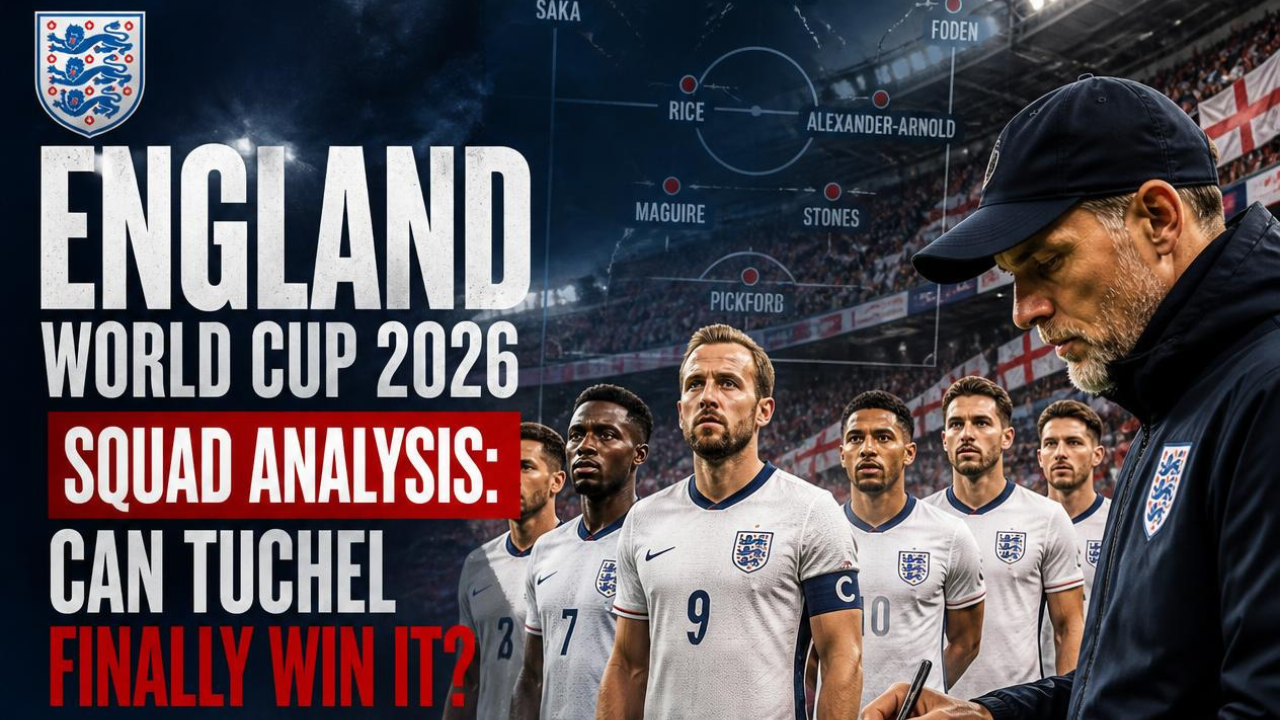
Quick Answer: Can Tuchel Finally Win It for England?
Yes, England can win the 2026 FIFA World Cup, but this squad is not built only on hype. Thomas Tuchel has picked a team that looks more practical than emotional. It has leaders, runners, set-piece power, penalty takers, fast wide players, and enough tactical flexibility to survive difficult knockout games.
But there is one honest point: this is not a perfect England squad. The full-back area looks risky, some creative players have been left at home, and the pressure on Harry Kane, Jude Bellingham, Bukayo Saka, Declan Rice and Jordan Pickford will be huge.
Tuchel’s England are not trying to be the most beautiful team at the World Cup. They are trying to be the hardest team to beat.
Why This England Squad Feels Different in 2026
For many years, England fans have heard the same line before every major tournament: “This is the golden generation.” The problem is that golden generations do not win trophies by talent alone. They win when the manager creates balance.
That is why the England World Cup 2026 squad feels different under Thomas Tuchel. This is not a squad selected only to please fans or protect big names. Some popular players have missed out, and some less glamorous names have been included because they fit a clear job.
Tuchel has always been a detail-heavy coach. At Chelsea, he won the Champions League by turning a talented but uneven group into a structured, disciplined team. With England, he seems to be doing something similar. He knows England have star power, but he also knows tournaments are often won by control, set pieces, defensive shape, substitutions and cold decision-making.
That is why this squad is interesting. It is not just about who is famous. It is about who Tuchel trusts in specific match situations.
England World Cup 2026 Squad Overview
England’s 26-man squad has a strong spine. Jordan Pickford brings tournament experience in goal. John Stones, Marc Guéhi, Ezri Konsa and Dan Burn give Tuchel different defensive profiles. Declan Rice is the heartbeat of midfield, while Jude Bellingham gives England elite power between midfield and attack.
Further forward, Harry Kane remains the captain and main goal threat. Bukayo Saka gives balance from the right, Marcus Rashford offers pace and direct running, Anthony Gordon brings energy, while Ollie Watkins and Ivan Toney give England two different striker options from the bench.
The squad is not short of quality. The bigger question is whether Tuchel can turn that quality into a clean, repeatable system.
Goalkeeper Analysis: Pickford Still Looks Like England’s Safe Choice
Jordan Pickford is still likely to be England’s number one. Some fans may ask whether England should move on, but tournament football is not the place for experiments unless there is a clear upgrade. Pickford has been reliable for England in major competitions, and his long passing can help England escape pressure.
Dean Henderson and James Trafford give depth, but Pickford’s experience matters. In a World Cup where one mistake can end everything, Tuchel will probably value calmness over freshness.
England do not need their goalkeeper to be a headline-maker. They need him to make two big saves in a tight knockout game. Pickford has done that before.
Defence: Strong Centre-Back Options, But Full-Back Questions Remain
England’s central defence has enough variety. John Stones is the natural ball-player. Marc Guéhi is calm and mobile. Ezri Konsa is reliable. Dan Burn adds height, physical power and set-piece threat. Jarell Quansah and Nico O’Reilly bring younger legs and future-facing depth.
The concern is full-back balance. Reece James has top-level quality, but fitness is always part of the conversation. Tino Livramento and Djed Spence offer athleticism, but they are not yet proven World Cup knockout players. This may be the area opponents try to attack.
The omission of Trent Alexander-Arnold will divide opinion. Trent offers elite passing, but Tuchel may feel England need more defensive security and athletic recovery. That tells us something important: Tuchel is prioritising tournament control over individual creativity.
Midfield: Rice, Bellingham and the Big Tactical Question
England’s midfield may decide the tournament. Declan Rice is almost certain to start because he gives England protection, leadership and ball-carrying power. Jude Bellingham is one of the biggest names in world football, but Tuchel’s comments suggest even he must fit the system, not the other way around.
That is healthy. England have often struggled when the team was built around reputation instead of balance.
Kobbie Mainoo offers composure under pressure. Morgan Rogers brings drive and tactical flexibility. Eberechi Eze gives creativity and 1v1 ability. Jordan Henderson’s inclusion shows Tuchel values experience, dressing-room standards and game management.
The key question is simple: does Tuchel play Bellingham as a number 10, or does he use him deeper with Rice? If Bellingham plays high, England can press aggressively and support Kane. If he plays deeper, England may control the ball better but lose some threat around the box.
My view: England’s best shape is Rice as the anchor, Bellingham as the powerful advanced midfielder, and one of Mainoo, Rogers or Eze selected depending on the opponent.
Attack: Kane Is Still the Main Man, But England Have Plan B Options
Harry Kane remains England’s most important attacker. He is not just a goalscorer. He drops deep, connects play, creates space for runners and gives England a calm penalty option.
Bukayo Saka is likely to be one of the first names in the front line because he offers end product, work rate and tactical discipline. On the left, Tuchel has different choices. Marcus Rashford can stretch teams with speed. Anthony Gordon can press and attack space. Noni Madueke gives direct wing play and unpredictability.
The striker depth is also important. Ollie Watkins gives movement behind the defence. Ivan Toney gives physical presence, penalty strength and a different style if England need to chase a game late.
This is where Tuchel has more tools than many previous England managers. If Plan A does not work, he can change the rhythm without changing the whole team.
Biggest Omissions: Palmer, Foden, Trent and Maguire
The biggest talking point around the England World Cup 2026 squad is not only who is in, but who is out.
Cole Palmer and Phil Foden missing out is a major statement. Both are technically gifted, but Tuchel appears to have selected players based on current role, form, fitness and system fit. It is a ruthless call, but tournament squads are not fantasy football teams.
Harry Maguire’s absence also marks a shift. He has been an important England player for years, especially in major tournaments. Leaving him out suggests Tuchel wants a different defensive profile and is ready to move away from parts of the old England core.
Trent Alexander-Arnold’s omission is perhaps the most tactical decision of all. His passing is world-class, but Tuchel may have decided that England’s right side needed more defensive recovery and less structural risk.
These decisions may look harsh now. But if England go deep, people will call them brave.
Tuchel’s Likely Tactical Plan
Tuchel may use a 4-2-3-1 or a flexible 3-4-2-1 depending on the opponent. Against weaker teams, England can play with more attackers and use Bellingham higher up. Against elite teams, Tuchel may want an extra defender or a more controlled midfield.
A likely strongest XI could look like this:
Pickford; James, Stones, Guéhi, Livramento; Rice, Mainoo; Saka, Bellingham, Rashford; Kane.
But the exact lineup may change by match. That is the point of Tuchel’s squad. It is built for adjustment.
Against Croatia, control will matter. Against Ghana, physical duels and transitions could be key. Against Panama, England may need patience, width and set-piece sharpness.
England’s Biggest Strengths
England’s biggest strength is squad depth. Tuchel can change games from the bench with Watkins, Toney, Gordon, Eze or Madueke. That matters in hot conditions where matches may slow down after 60 minutes.
The second strength is leadership. Kane, Rice, Pickford, Stones and Henderson give England a strong senior core. Bellingham and Saka add star quality with big-game experience.
The third strength is set pieces. In World Cups, set pieces are not boring. They are gold. Dan Burn, Stones, Kane, Rice and Toney could make England very dangerous from corners and free-kicks.
England’s Biggest Weaknesses
The first weakness is full-back reliability. If England face a team with elite wingers, Tuchel’s defensive choices will be tested.
The second weakness is creative pressure. Without Foden and Palmer, England may rely heavily on Bellingham, Saka and Eze for invention. If those players are blocked, England could look too functional.
The third weakness is expectation. England are always carrying history. The longer the tournament goes, the louder the noise becomes. Tuchel’s biggest job may not be tactical. It may be emotional control.
Can Tuchel Finally Win It?
England can win the 2026 World Cup, but they will not win it by simply having famous players. They will win it if Tuchel gets three things right: defensive balance, midfield control and ruthless substitutions.
This squad looks like a manager’s squad, not a public vote. That gives England a real chance.
Harry Kane gives them goals. Declan Rice gives them structure. Jude Bellingham gives them star power. Bukayo Saka gives them reliability. Tuchel gives them tactical edge.
Is it guaranteed? No. England still have weaknesses, and World Cups are cruel.
But can Tuchel finally win it?
Yes. This may be England’s most serious chance in years, not because the squad is perfect, but because it finally looks selected with a clear plan.
FAQs
Who is England’s captain for the 2026 World Cup?
Harry Kane is England’s captain for the 2026 World Cup. He remains the leader of the attack and one of the most important players in Thomas Tuchel’s squad.
Who is England’s vice-captain in 2026?
Declan Rice has been confirmed as England’s vice-captain. His leadership, consistency and midfield role make him one of Tuchel’s most trusted players.
Why are Cole Palmer and Phil Foden not in the England World Cup 2026 squad?
Their omission appears to be based on form, fitness, tactical fit and Tuchel’s preference for balance. Both are talented players, but Tuchel has chosen a squad that fits his system.
Can Jude Bellingham start every game for England?
Bellingham has the quality to start, but Tuchel has made it clear that competition is strong. His role may depend on the opponent and England’s tactical shape.
What is England’s biggest weakness at the 2026 World Cup?
The biggest concern is full-back reliability. England have talented options, but fitness, defensive positioning and experience could be tested against elite wide players.
What is England’s strongest area?
England’s strongest area is their attacking depth. Kane, Saka, Rashford, Watkins, Toney, Gordon, Madueke and Eze give Tuchel many ways to change a match.
Can England win the 2026 World Cup?
Yes, England can win it. They have enough quality, leadership and tactical flexibility. The key will be whether Tuchel can make the right decisions in knockout matches.

Real Madrid are famous for signing superstars, but not every smart deal needs to cost $100 million. Sometimes, the best transfer is the one that looks simple on paper but carries huge value on the pitch. That is exactly why Trent Alexander-Arnold’s move to Real Madrid feels so interesting.
Real Madrid officially confirmed an agreement with Liverpool to sign Trent Alexander-Arnold for six seasons, from 1 June 2025 to 30 June 2031. The club also confirmed he would be available for the Club World Cup.
The key point? The under-$20M angle comes from the reported early transfer fee. Multiple reports said Madrid paid around £10 million to get Trent before his Liverpool contract expired. Reuters reported a £10 million fee, while ESPN reported around €10 million, about $11.3 million at the time.
So, let’s break it down in simple terms.
Quick Answer: Why Is Trent Real Madrid’s Best Under-$20M Signing?
Trent Alexander-Arnold is Real Madrid’s best new signing under $20M because Madrid got an elite, experienced right-back for a relatively small transfer fee. He is not a random bargain player. He is a Champions League winner, Premier League winner, England international, and one of the most creative full-backs of his generation.
Real Madrid’s official announcement listed his major Liverpool achievements, including the Champions League, Premier League, Club World Cup, UEFA Super Cup, FA Cup, League Cup, and Community Shield.
That is why this deal feels different. It is not just cheap. It is smart.
The Deal in Plain English
Trent was close to the end of his Liverpool contract. Normally, Real Madrid could have waited and signed him without paying a transfer fee after his deal expired.
But Madrid wanted him earlier.
Why? Because they wanted him available for the Club World Cup and wanted to start the next project quickly. Al Jazeera also reported that Madrid paid a fee to bring him earlier so he could play in the Club World Cup.
That makes the deal easy to understand:
Real Madrid did not pay a huge transfer fee for Trent’s full market value. They paid a smaller fee to speed up the move.
And in today’s football market, getting a player like Trent for anything under $20M is rare.
Why This Is Such a Real Madrid Type of Transfer
Real Madrid have always loved big names, but in recent years they have also become very sharp with timing. They do not just throw money around for every player. They wait, plan, and attack when the deal makes sense.
Trent fits that model perfectly.
He is experienced but still only in his mid-20s. He has already played in massive matches. He knows what pressure feels like. And he brings something Madrid always value: technical quality.
For a club built around control, passing, wide movement, and big-game confidence, Trent looks like a natural fit.
What Trent Brings to Real Madrid
The biggest reason this signing is exciting is simple: Trent changes how a team builds attacks.
He is not a basic right-back who only runs up and down the touchline. He can pass like a midfielder. He can cross early. He can switch play from deep. He can create chances without needing to beat three defenders.
That matters for Real Madrid because they often face teams that sit deep. In those games, one clever pass can open the whole match.
Trent gives Madrid another creative weapon from the right side. When opponents focus on Vinicius Junior, Jude Bellingham, Kylian Mbappé, or other central threats, Trent can punish them from deeper areas.
If you follow international football too, this kind of squad-building also matters when comparing elite teams and future tournaments. For example, this breakdown of the top teams most likely to win the FIFA World Cup 2026 shows how important squad depth, balance, and star quality can be at the highest level.
Is Trent a Dani Carvajal Replacement?
This is the big question.
Dani Carvajal has been a Real Madrid legend. He knows the club, the pressure, the dressing room, and the Champions League nights. Replacing that kind of player is never simple.
Trent is not a copy of Carvajal. And honestly, that is okay.
Carvajal is more traditional, aggressive, and defensively sharp in one-on-one battles. Trent is more creative, more playmaking-focused, and more dangerous in possession.
So instead of asking, “Is Trent the same as Carvajal?” the better question is, “Can Real Madrid build a new right-side system around Trent?”
The answer is yes, but it needs balance.
The Tactical Risk Nobody Should Ignore
Let’s be fair. This is not a perfect transfer with zero concerns.
Trent’s defensive positioning has been questioned many times. He can be exposed when the team loses the ball. He is at his best when there is structure around him, especially a disciplined midfielder or center-back covering the space behind him.
That means Real Madrid must use him carefully.
If he plays as a normal right-back with no cover, there may be problems against fast left-wingers. But if Madrid use him as an inverted full-back, deep playmaker, or advanced right-sided creator, he could become a major weapon.
This is why the coach’s role will be huge. Trent is not just a plug-and-play defender. He is a system player who can become elite when the setup supports his strengths.
Why the Price Makes the Risk Worth It
Every transfer has risk. But price changes everything.
If Real Madrid had paid $80M for Trent, the pressure would be massive. Every mistake would become a headline. Every defensive issue would be judged harder.
But under $20M? That changes the conversation.
At that price, Madrid are getting huge upside with limited transfer-fee risk. Even if Trent takes time to adapt to La Liga, the deal still makes financial sense. His experience, profile, age, and commercial appeal all add value.
In simple terms, Real Madrid did not just buy a right-back. They bought creativity, experience, global attention, and tactical flexibility at a bargain price.
Final Verdict: Smart Business or Overhyped Move?
This looks like smart business.
Trent Alexander-Arnold may not solve every Real Madrid problem overnight, but he gives them something very few defenders can offer: elite passing from deep areas. For an under-$20M reported fee, that is a serious win.
The deal is also classic Real Madrid: patient, strategic, and timed well. They saw the contract situation, acted early, and landed a player who would normally cost far more in an open market.
So yes, Trent Alexander-Arnold is Real Madrid’s best new signing under $20M. Not because he is perfect, but because the value is too good to ignore.
For Madrid fans, this is the kind of signing that may not look like the loudest headline at first, but could quietly shape the team for years.
FAQs About Trent Alexander-Arnold’s Real Madrid Transfer
How much did Real Madrid pay for Trent Alexander-Arnold?
Real Madrid did not officially disclose the fee, but reports said the club paid around £10 million or roughly €10 million to sign him early from Liverpool before his contract expired.
Is Trent Alexander-Arnold a Real Madrid player?
Yes. Real Madrid officially announced his signing on 30 May 2025, with a contract running from 1 June 2025 to 30 June 2031.
Why is Trent called an under-$20M signing?
He is considered an under-$20M signing because the reported transfer fee paid to bring him early was below $20 million. This does not include salary, bonuses, or signing-on costs.
What position will Trent play at Real Madrid?
His main position is right-back, but he can also operate as an inverted full-back or deep playmaker depending on the system.
Is Trent a good replacement for Dani Carvajal?
He can be a long-term right-side solution, but he is a different type of player. Carvajal is more defensively traditional, while Trent is more creative and playmaking-focused.
Why is this deal important for Real Madrid?
It gives Real Madrid an experienced, elite-level creator for a low reported fee. In today’s market, that kind of value is difficult to find.

The Italian Alps prepare for the biggest show of winter. Snowy tracks. Hazardous slopes. Emotional victories. Tough rivals. These elements will make up Milano Cortina 2026.
Millions will be watching each performance intently. The most talented athletes in the world vie for glory across icy terrains.
But medals are just half the story. Every Winter Olympics 2026 gives birth to heroes, heartbreaks and sporting memories that last a lifetime. Several female competitors arrive, carrying weight, anticipation, and visions of becoming eternal.
Mikaela Shiffrin Seeks Redemption
Mikaela Shiffrin, among skiing’s all time greats. She holds the record for most World Cup victories. Alpine domination. Unbelievable consistency for years.
But Beijing 2022 delivered an unexpected catastrophe. Mistakes under emotional pressure stunned audiences worldwide. Since that crash, Shiffrin has rebuilt not just physically, but mentally. She openly talks about fear, strain and healing earning deeper fan admiration.
Now Italy promises one final comeback chapter. Her wisdom, technique, and psychological fortitude put her in a class of must watch competitors.
Medal Prediction
Gold – Slalom
Silver – Giant Slalom
Eileen Gu Reinvents Freestyle Skiing
Eileen Gu broke out as a global star after winning multiple medals at incredible youth. Her performances combine creativity, audacity and swagger, completely reshaping the landscape of freestyle skiing.
She comes back as one of the top Women Winter Olympics Athletes expected to lead Italy’s competition. Fans admire her multidimensional identity. She navigates academics, fashion, media glare and elite performance while keeping her competitive edge.
Her ability to pull off risky moves in the heat of battle makes her extraordinarily dangerous in majors. Her rivals know what that means: if Gu lands clean runs, it’s nearly impossible to beat her.
Medal Prediction
Gold – Halfpipe
Gold – Slopestyle
Kaori Sakamoto spearheads new generation of skating
Kaori Sakamoto gained respect as the most admired competitor in figure skating. While others are obsessed with technical difficulty, Kaori is obsessed with emotion, elegance and storytelling in every program.
Fans relate authentically as performances feel authentic/never forced. This balance of artistry and athleticism set her apart from the best of the international skating world.
Italy could be the stage for her defining moment in her career with huge expectations on her Olympic performance.
Medal Prediction
Gold – Women’s Singles
Bronze – Team Event
Chloe Kim Back Better Than Ever
Chloe Kim became a global icon after winning Olympic gold exceptionally young. Her fearless approach and electric personality quickly made her snowboarding’s most recognizable face.
Kim took a break after years of grueling competition. Her focus was on healing her body and restoring her mind. That decision earned worldwide respect from peers and fans alike. She did not rush back, but instead came back carefully and looked more solid than ever.
Today she is among the best Female Olympic Stars participating on snowboards. Her experience and poise give huge advantage in high stakes moments.
Medal Forecast
Gold – Halfpipe – :
Zuzana Maděrová: Possible Breakout Sensation
Zuzana Maděrová lacks global superstardom however experts expect she will become one of Milano Cortina 2026‘s breakout names.
Unlike well funded rivals with lavish facilities, her journey relied on grit, discipline, and determination. She trained under difficult conditions and gradually attracted attention with impressive recent performances.
Her rise is proof, if any was needed, that skill and commitment still beat bigger countries and deeper coffers. Here may be found their champion, the underdog seeker.
Medal Prediction
Bronze – 10km Classic
Silver – Relay Olympic Schedule 2026: Main Women’s Finals
EVENT DATE Athlete to Watch
February 9th
Women’s Slalom
Mikaela Shiffrin
12 February
women’s halfpipe
Chloe Kim / Eileen Gu
February 15
Skating Ladies’ Singles Kaori Sakamoto
February 18
Women’s 10 km Classical
Zuzana Maděrová Ová
February 20
Slopestyle, Women
Gu, Eileen
Milano Cortina 2026: Why It’s More Than Just Gold Medals
This is more than a win-win situation.
Mikaela Shiffrin opens up about her mental health and living under strain. That takes balls.
Eileen Gu means more than that: mixing cultures, chasing aspirations, tuning out hate. She is a role model for young girls.
Sometimes, Chloe Kim showed us, taking a step back may make you stronger. Rest is not weakness. It’s wisdom.
Kaori Sakamoto reminds us all that beauty and emotion still have a place on the rink. You don’t need quad leaps to move people.
These top women athletes to watch in the 2026 Winter Olympics are chasing more than podiums. They give hope. They’ll breach rules. They show millions of kids that huge goals don’t need excellent pathways.
Frequently Asked Questions
The 2026 Winter Olympics are scheduled to take place from February 6 to February 22.
A: February 6, 2026 They conclude up February 22, 2026. Cortina and cities dotted over Italy, Milan.
Q: Who could be the most medal-winning female athlete?
A: Eileen Gu is the greatest threat. Not many do it like her in halfpipe and slopestyle.
Q: Who has the best emotional comeback story?
Q: Who is the girl skier? She made herself when Beijing crushed her heart. Her gorgeous ending may be Italy.
Q: What will be the headlinemakers?
A: Shiffrin against Petra Vlhová. Two giants. Single hill. Anticipate fireworks.
Q: Where can fans watch live?
A: Most events will be shown on NBC, BBC, Eurosport and Peacock. Dates coming up, check local listings.
Q: What makes these Winter Olympics women’s special athletes outside of sports?
A: They talk about real life. Mental health, identity, rest and strength. They’re not only athletes. They’re flawed, but they have fire.
Read more trending blogs from all categories on BlogsPlanet.


 Entertainment1 month ago
From Season 4 Explained: Ending, Monsters, Theories & What Comes Next
- Artificial Intelligence1 month ago
How AI is changing daily life in 2026
- Entertainment1 month ago
Inside the Lives of A List Stars in 2026: Red Carpets & Social Media Scandals
- Fashion1 month ago
The Best Men’s Accessories to Make Any Outfit Look Better in 2026
- Gaming1 month ago
GTA 6 Trailer 3 Update | Why Fans Think Rockstar’s Next Reveal Is Coming Soon
- Business1 month ago
Global Markets in 2026 | Why Investors Are Still Cautious
- Sports1 month ago
Why Football Fans Are More Passionate Than Ever in 2026
- Current Affairs1 month ago
Iran vs Israel Conflict & Future Impact (2026)