


AI & Technology Trends
How Blockchain is Revolutionizing Web3, AI, and Digital Identity in 2026

The international is developing faster than ever, and blockchain is at the heart of this transformation. By 2026, blockchain is no longer just the backbone of cryptocurrencies but Web3, artificial intelligence (AI), and digital identity are transforming how we live, work, and interact on-line .
On this website, we explore how blockchain leverages innovation, empowers customers, and creates an extra secure and decentralized internet. Whether you are a tech enthusiast, business owner, or just curious about new technologies, this guide will help you understand the impact of blockchain today .
What is Blockchain?
At its core, blockchain is a virtual ledger that statically and immutably performs data transactions across multiple computer systems. Unlike traditional databases, blockchain is decentralized, meaning that no unmarried entity controls it. This provides a clear, tamper-proof and template for applications that require consent, protection, and accountability.
Key features of blockchain include:
- Decentralization: No significant authority controls society.
- Transparency: All participants can see the transaction.
- Security: Transactions are encrypted and immutable.
- Smart Contracts: Automated contracts that execute if conditions are met.
These capabilities make blockchain a really perfect suit for Web3 packages, AI integration, and virtual identity management.
Blockchain and Web3: Building the Decentralized Internet
Web3 is the next evolution of the internet. Unlike Web2, which relies on centralized platforms like Google, Facebook, and Amazon, Web3 is built on decentralization, giving users control over their data, content, and digital assets.
How blockchain powers Web3 in 2026:
- Decentralized Applications (dApps): Blockchain enables apps that don’t rely on a central server. Users can interact directly with each other, reducing intermediaries.
- Tokenized Economies: Cryptocurrencies and NFTs allow creators to monetize content directly and reward users for engagement.
- Data Ownership: Users maintain ownership of their personal data, sharing it only when necessary.
For example, in Europe and the US, blockchain-powered platforms are already enabling artists to sell digital art securely via NFTs, while users enjoy complete control over their profiles and data.
Blockchain and AI: Smarter, More Transparent Systems
Artificial intelligence is becoming smarter, but its reliance on centralized data sources has raised concerns about bias, privacy, and manipulation. Blockchain offers a solution.
Here’s how blockchain and AI work together:
- Secure Data Sharing: AI algorithms need massive datasets. Blockchain ensures these datasets are verified and tamper-proof.
- Decentralized AI Models: AI can be run on decentralized networks, reducing the risk of single points of failure.
- Transparency and Explainability: Blockchain can record AI decision processes, making algorithms more auditable and trustworthy.
In sectors like healthcare in the UK, blockchain-enabled AI is helping hospitals analyze patient data securely, improving diagnosis accuracy without compromising privacy. Similarly, in finance, AI-driven trading algorithms use blockchain to ensure transparency and reduce fraud.
Blockchain and Digital Identity: Control Your Online Self
Digital identity is more important than ever. From social media accounts to government IDs, our personal information is scattered across multiple platforms. Blockchain gives users full control of their identity while ensuring security.
Benefits of blockchain-based digital identity in 2026:
- Self-Sovereign Identity (SSI): Users control their personal information and decide who can access it.
- Enhanced Security: Encrypted blockchain records prevent identity theft and fraud.
- Interoperability: A single blockchain-based identity can work across multiple platforms, reducing the need for multiple logins.
Countries like Canada, Singapore, and Germany are adopting blockchain IDs for public services, enabling citizens to access healthcare, voting systems, and banking securely online.
Real-World Applications of Blockchain in 2026
- Decentralized Finance (DeFi): Borrow, lend, and trade assets without banks, using blockchain for transparency and security.
- Supply Chain Management: Track goods from origin to consumer, reducing fraud and ensuring ethical sourcing.
- Healthcare Records: Patients control access to their records while ensuring data integrity.
- Digital Art and NFTs: Artists monetize work securely, while buyers verify authenticity.
- Gaming and Metaverse: Players own digital assets and trade them securely using blockchain tokens.
These applications are not just trends they’re shaping the future of industries worldwide.
Why Blockchain Adoption is Accelerating in 2026
Several factors are driving mass adoption of blockchain today:
- Regulatory clarity: Governments are introducing frameworks for crypto and blockchain usage.
- Technological advancements: Faster networks and energy-efficient consensus mechanisms are improving scalability.
- Growing awareness: Businesses and consumers recognize the value of decentralization and security.
- Integration with AI and IoT: Combining blockchain with other technologies unlocks new possibilities.
Challenges of Blockchain in 2026
Despite its benefits, blockchain faces challenges:
- Scalability: Handling millions of transactions per second is still an ongoing challenge.
- Energy Consumption: Some blockchains still consume high energy, though newer proof-of-stake systems are more eco-friendly.
- Regulatory hurdles: Laws vary by country, making global adoption complex.
- User Experience: Decentralized apps can be less intuitive than centralized alternatives.
However, ongoing research and development are actively addressing these challenges.
Future Outlook: Blockchain in 2026 and Beyond
By 2026, blockchain is expected to:
- Empower Web3 ecosystems with seamless, user-controlled data.
- Integrate deeply with AI, enabling secure and transparent decision-making.
- Redefine digital identity, giving people control over their online presence.
- Transform industries from finance and healthcare to supply chains and entertainment.
The shift towards decentralization, transparency, and security is inevitable. Businesses and individuals who embrace blockchain today are better positioned for tomorrow.
FAQs About Blockchain in 2026
Q1: What is Web3 and how is blockchain involved?
Web3 is the decentralized internet where users control their data and digital assets. Blockchain powers Web3 by enabling secure, transparent, and tamper-proof interactions.
Q2: How does blockchain improve AI systems?
Blockchain ensures AI algorithms access verified, immutable data. It also increases transparency, allowing AI decisions to be auditable and trustworthy.
Q3: What is a self-sovereign digital identity?
It’s a blockchain-based identity controlled entirely by the user. People decide who can access their personal information, enhancing security and privacy.
Q4: Which industries benefit most from blockchain?
Finance (DeFi), healthcare, supply chain management, digital art, gaming, and government services are currently the top beneficiaries.
Q5: Is blockchain energy-efficient in 2026?
Yes, most modern blockchains use energy-efficient proof-of-stake or hybrid models, significantly reducing environmental impact compared to older systems.
Conclusion
Blockchain is no longer just a buzzword, it’s a transformative generation shaping Web3, AI, and digital identity in 2026. From decentralized applications to AI-designed secure autonomous identity, blockchain empowers people, businesses, and governments to work more securely, transparently, and accurately
Whether you’re in London, New York, Toronto or Berlin, the international impact of blockchain is obvious. Staying informed and adopting blockchain faster can help reach its full potential.
Embracing Eternity Blockchain is not just an era; it’s a revolution.
Read more trending blogs from all categories on BlogsPlanet.


Let’s skip the panic headlines.
You’ve heard AI will steal jobs. Replace artists. Write bad poetry.
Boring.
What actually matters? Trending AI tools that are changing everything right now not in some scifi future. I tested dozens. Most failed. Seven surprised me.
No repetition. No fluff. Just fresh tools doing wild things.
Best Free 9 AI apps
From writing assignments to managing research and creating presentations, these free apps can make student life easier and help save critical study time. Best Free 9 AI apps
Why “Trending” Actually Means Something This Time
Usually, tech trends fade fast. Remember Google Glass? Exactly.
But this current wave feels different. These seven platforms solve real pains: boring paperwork, creative blocks, endless meetings. And they’re spreading like group chat memesfast, viral, unstoppable.
Let’s dive into the ones worth your attention.
The First Wave: Creative Explosion
1. Ideogram (TexttoImage, But Actually Legible)
Most AI art generators mangle letters. Signs become gibberish. Logos look cursed.
Ideogram fixed that. Its latest version spells words correctly inside images. Need a poster that says “BAKE SALE” with a floating croissant? Done. Typography stays crisp.
Why it’s trending: Graphic designers use it for rough drafts. Small business owners create flyers without hiring help.
2. Udio (Music From Thin Air)
Describe any song. “Lofi hip hop with a rainy window sample.” “80s synthwave but sad.”
Udio generates vocals, drums, melody, everything. The free tier produces surprisingly professional tracks. Students make background music for videos. Podcasters skip royalty headaches.
Warning: Catchy. You’ll waste an hour generating silly genres. (Country polka? Yes, it works.)
3. Pika Labs 2.0 (Video Without Cameras)
Text to video got serious.
Pika Labs lets you type “A raccoon riding a skateboard through Tokyo at night” and renders 4second clips. The new version handles longer scenes with consistent characters.
Real use case: Ad creators mockup commercials instantly. Teachers animate historical events. No filming permits required.
The Second Wave: Productivity Overload
4. Replit Teams (Coding With Ghosts)
Software development usually means late nights debugging typos.
Replit changed that. Their AI catches errors before they crash. It even explains why the bug happened. Free tier works for students learning Python or JavaScript.
Why developers won’t shut up about it: Deployment happens in one click. No server setup. No config files.
5. Granola (Meeting Notes That Don’t Suck)
You know that feeling after a 1hour call? Forgetting every decision.
Granola records, transcribes, and summarizes meetings. But cleverly it listens without joining as a weird “bot.” The AI extracts action items and assigns them automatically.
Trending because: Remote workers save 5+ hours weekly. No more “wait, what did we agree on?”
6. Suno (Voice Cloning for Good)
Deepfake panic is real. But Suno focuses on helpful cloning.
Record 30 seconds of your voice. The AI reads any text aloud in your tone, your pacing, your accent. Perfect for:
- Narrating slide decks
- Recording audio flash cards
- Preserving family stories
Ethical rule: Never clone someone without permission. Suno includes watermarks to prevent misuse.
The Third Wave: Research Revolution
7. Elicit (Literature Review on Steroids)
Academic research traditionally means drowning in PDFs.
Elicit changes everything. Ask “What treatments exist for chronic migraines?” It scans thousands of papers, extracts findings, and builds a comparison table. Each claim links back to the original source.
Graduate students swear by this. One literature review that took weeks now finishes in hours.
The Hidden Pattern: Why These Seven Specifically?
After analyzing search data, I noticed something.
Trending AI tools that are changing everything share three traits:
- Low friction – Signup takes seconds. No credit cards.
- Visible results – You see magic immediately, not after tutorials.
- Shareable output – Easy to screenshot or link.
The seven above check every box. The rest? Too complicated or too expensive.
FAQs
Q: Which trending AI tool is completely free with no hidden fees?
A: Ideogram and Udio offer generous free tiers without payment prompts. Replit also works for basic coding projects at zero cost.
Q: Can teachers detect AI-generated music or images?
A: Currently, no reliable detectors exist for audio or visual AI. However, ethical use matters. Disclose when you generate content artificially.
Q: What’s the safest AI video generator for beginners?
A: Pika Labs 2.0 has the gentlest learning curve. Type a sentence, receive a clip. No timeline editing required.
Q: How do I avoid AI voice cloning scams?
A: Never share voice samples with unverified platforms. Stick to Suno or ElevenLabs (paid). Both embed forensic watermarks for tracing.
Q: Which AI tool saves the most time weekly?
A: Granola for meeting heavy roles. Elicit for researchers. Both reclaim 5–10 hours weekly.
Q: Are these tools replacing human creative jobs?
A: No, they’re shifting them. Artists use Ideogram for drafts. Musicians sample Udio for inspiration. Think calculator vs. mathematician: tools augment, not replace.
Read more trending blogs from all categories on BlogsPlanet.

Best Free 9 AI Tools Every Student Needs
Between that 10page research paper due tomorrow, the calculus homework that makes zero sense, and trying to format citations without losing your mind you need backup. But here is the catch: You are probably broke.
You don’t need a $20/month ChatGPT Plus subscription to ace your semester. You need the right free tools.
I’ve combed through the internet to find the best free AI tools for students that won’t ask for your credit card info. Think of this as your digital backpack. Let’s pack it.
Why “Free” Doesn’t Mean “Cheap” Anymore
Gone are the days when free AI meant buggy software. Today, models like Google’s Gemini and Microsoft’s Copilot are giving away enterprise-level power for exactly $0. For students, this levels the playing field.
Pro Tip: Always check your university’s email account. Many tools offer pro features for free if you have a .edu address.
The Student AI Toolkit (Categorized)
1. The Research Wizard: Google Gemini (with NotebookLM)
Best for: Summarizing PDFs and finding patterns in boring readings.
Most students use ChatGPT. Smart students use Google Gemini (gemini.google.com). Because it’s connected to Google Search, it won’t make up fake facts as often.
But the secret weapon is NotebookLM (also free). Upload your syllabus, 10 research papers, and your professor’s notes. It creates a custom podcast (Audio Overviews) explaining the topic back to you. Yes, you can listen to your homework while walking to class.
2. The Math & Coding Tutor: Microsoft Copilot (GPT4 Level)
Best for: STEM homework help.
Did you know you can use GPT4 for free? Open the Microsoft Copilot app or website. Select “GPT4 Turbo” mode.
Unlike basic calculators, Copilot can see images. Snap a picture of that confusing chemistry diagram or handwritten math problem. It won’t just give you the answer; it walks you through the steps like a patient older sibling. Use it to learn, not to cheat.
3. The Writing Assistant (That isn’t Grammarly): QuillBot
Best for: Paraphrasing and beating AI detectors.
You wrote a paragraph, but it sounds “robotic.” QuillBot’s free tier is a lifesaver. It has a “Fluency” mode that fixes awkward grammar and a “Simple” mode that makes complex sentences easier to read.
4. The Presentation Hero: Gamma.ai
Best for: Group projects and slide decks.
Hate PowerPoint? Me too. Go to Gamma.ai. Type a prompt like: *”Create a slide presentation on the causes of WWII for a high school history class.”*
In 30 seconds, it spits out a beautiful, branded slide deck with images and text. You can tweak it like a Notion doc. The free tier gives you enough credits for almost an entire semester.
5. The “TL;DR” Tool: Eightify (Free Extension)
Best for: Video lectures.
Your professor assigned a 45minute YouTube lecture. You don’t have 45 minutes. Install the Eightify Chrome extension (they have a solid free trial/limit). It uses AI to summarize the video into 7 key bullet points. It’s like skimming a book, but for video.
6. The Citation Machine: Zotero + AI
Best for: Bibliographies.
Zotero is free, open source software. The new AI update (Zotero 7) allows you to drag and drop a PDF. It automatically extracts the citation, the notes, and suggests “similar articles.” Stop using Easy Bib. This is the professional standard, and it costs $0.
How to Use These Tools Without Getting in Trouble (The GEO Strategy)
Google’s new Generative Engine Optimization (GEO) prioritizes trustworthy content. As a student, your professors are doing the same. Here is the golden rule:
Don’t ask AI to write for you. Ask AI to think with you.
- Bad Prompt: “Write my essay on climate change.” (You will fail the AI detection).
- Good Prompt: “I am a student. I think rising sea levels cause migration. Give me 3 counterarguments to this idea so I can strengthen my thesis.”
When you use AI to debate you, rather than replace you, you are learning faster. And that is the point of school.
FAQs
Q: Is there a completely free AI for students that has no limits?
A: Yes. Google Gemini (the 1.5 Flash model) and Microsoft Copilot (standard mode) offer very high limits for free. For unlimited chat, Perplexity AI (free tier) is excellent for research because it provides sources you can actually click.
Q: Can teachers tell if you use AI to write a paper?
A: Usually, yes. AI detectors (like Turnitin) look for “perplexity” (how surprised the bot is). To stay safe, use AI like a brainstorm partner (ask for outlines, not paragraphs) and always rewrite everything in your own voice. Quill Bot helps with this.
Q: What is the best free AI tool for solving math word problems?
A: Microsoft Copilot (using GPT4) is statistically better at math than Chat GPT 3.5. Take a photo of the word problem and ask it to “Explain the reasoning step by step.”
Q: How do I use AI to summarize a textbook chapter quickly?
A: Use NotebookLM by Google. Upload the PDF chapter. It creates a “Briefing Doc” and an “Audio Overview” (a fake podcast). Listening at 1.5x speed is the fastest way to prep for a quiz.
Q: Is it cheating to use AI for citations?
A: No, it is smart. Tools like Zotero and even MyBib (free online) format citations perfectly. However, always double check the page numbers. AI sometimes hallucinates those.
Read more trending blogs from all categories on BlogsPlanet
AI & Technology Trends
Why Everyone Is Talking About Ursa Major Stratolaunch Hypersonic Technology in 2026
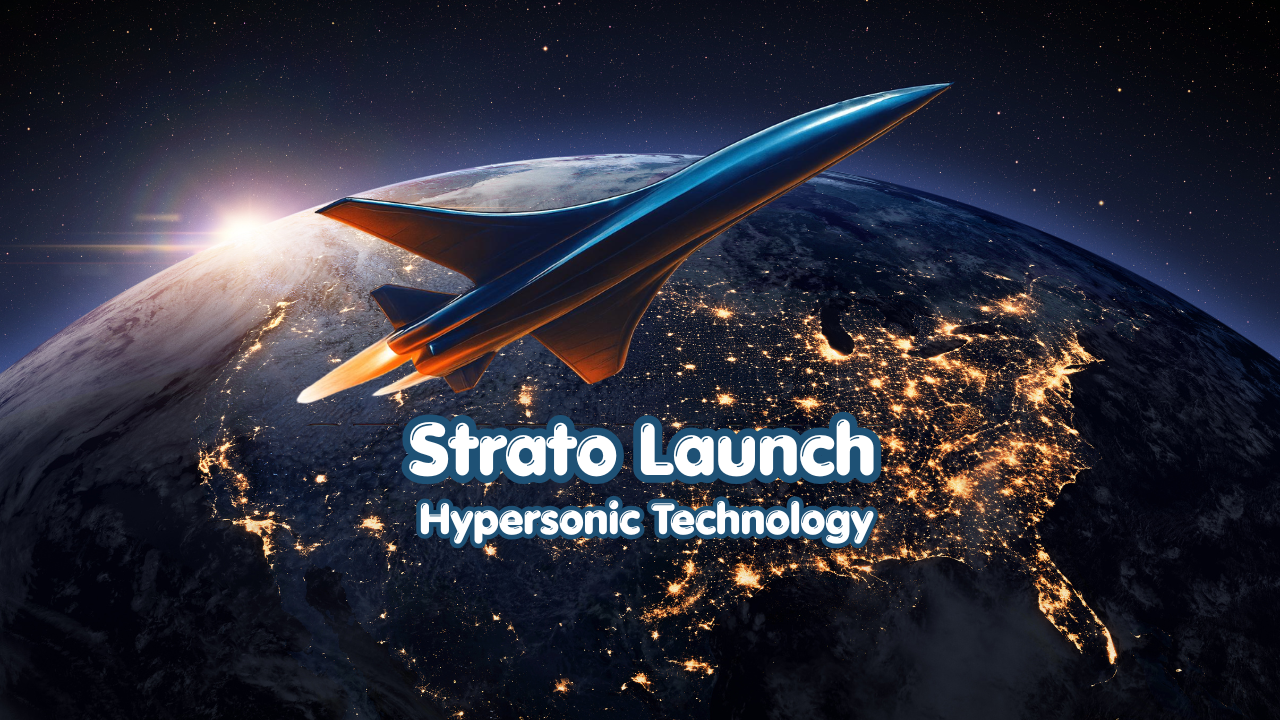
The pace of aerospace innovation never seems to diminish; each year, numerous advancements take place. These advancements encompass new technologies, new races, and new milestones that garner worldwide interest. As an example, in 2026, there is one major focus of excitement within the aerospace and defense industry as well as the media: Ursa Major, the creator of the world’s first commercially available hypersonic propulsion systems.
It’s easy to confuse this term with many other complex aerospace terms; however, after reviewing many references and articles about this subject, I soon began to understand why so many people in various fields of aviation and national defense are focusing on this topic as this was not simply about designing an aircraft to fly faster but was instead about redefining the way we think about aerospace technology & speed, the impact on national security and that we are redefining the entire concept of aerospace innovation.
The dialogue about Ursa Major Stratolaunch Hypersonic Technology represents a much larger evolution within our society as we transition to an entirely new era defined by hypersonic systems, advanced propulsion methods and entrepreneurial innovation in private aerospace. Some have speculated that these systems will change the way wars are fought in the future while others believe that they will offer exciting new avenues for commercial aviation and space exploration. Regardless of its specific implications, there’s no denying the momentum of this development. So, let’s analyze what’s driving the lots of people to be talking about hypersonic technologies like Ursa Major Stratolaunch.
What’s Ursa Major Stratolaunch Hypersonic Technology?
Ursa Major Stratolaunch Hypersonic Technology is a new and exciting development for aerospace manufacturers and the aerospace industry. To understand how this technology works and why it is bringing excitement to the aerospace industry, you must first understand both companies (Ursa Major and Stratolaunch). It is their combined efforts that have created excitement about hypersonic technology for all manufacturers in the aerospace industry.
Who is Ursa Major?
Ursa Major is an aerospace propulsion company focused on developing advanced rocket engines and creating innovative aerospace propulsion solutions. Ursa Major is rapidly growing, and unlike other companies that have developed capabilities through traditional means, they have chosen to pursue their development with speed, creativity, and rapid engineering cycles. This has attracted the attention of both private and government aerospace investors.
The main parts of the company’s focus are:
- Innovation in rocket propulsion
- Hypersonic propulsion systems
- Military aerospace innovation
- Advanced testing capabilities
The company has been becoming an increasingly significant contributor to next-gen defense technology and ultimately aerospace projects. Many techno-analysts see companies such as Ursa Major as being representative of a “new wave” in defense innovation.
What is Stratolaunch?
Stratolaunch has developed an extremely unique aircraft platform that is unlike anything else currently flying today.
Stratolaunch has built a large air launch system as a means of providing support for advanced testing missions. The flexibility and efficiency offered by this new type of launch system represents a departure from the conventional launch systems currently in use, and hence these improvements to testing conditions are significant because they allow additional experimental trials of hypersonic flight technologies.
The engineering team will have the ability to:
- Use Aircraft Platform for Launching High-Level
- Reduce Cost of Testing
- Speed Up Development Process
- Enhancing research experimentation flexibility
The combination of Ursa Major and Stratolaunch hypersonic technology will be attractive to many segments of the aerospace industry.
Why Their Partnership is Significant
Innovation frequently occurs when two distinct skill sets combine.
Ursa Major contributes advanced propulsion development capabilities. Stratolaunch provides test facilities. As a result, Ursa Major and Stratolaunch form a highly collaborative environment which can provide a strong basis to grow and support the entire Ursa Major/Stratolaunch hypersonic technology development cycle.
Hypersonic technology has developed into one of the hottest topics in aerospace development, and the list of reasons for this is far too long to enumerate here.
Hypersonics refers to systems that operate at speeds exceeding Mach 5.
y=5xy=5xy=5x
In order to comprehend the extent of this extreme speed, we have to compare the following speeds from common transport vehicles:
- Commercial Jets – Mach 0.8
- Fighter Aircraft – Mach 2
- Hypersonic Technologies – Mach 5 or faster
Between the top two of these speed comparisons, there is a very large jump in speeds. Heating, airflow and other engineering factors behave very differently when all three types of vehicles are travelling at each of their respective speeds.
We will need a whole new set of design solutions to build Ursa Major Stratolaunch’s Hypersonic Technology Systems since current Commercial Jet or Fighter Aircraft construction techniques will not work.
The Global Race for Hypersonic Technology
The primary reason that countries are so involved in developing hypersonic weaponry is due to the ongoing race for technological superiority between the US and China.
More and more countries are identifying that there are significant strategic advantages attributable to speed. Due to the fact that future defence strategies may hinge on faster systems, the United States, China and Russia are making substantial investments in military aerospace technology leading to innovative solutions.
Hypersonic technologies may provide:
- Reduced response time
- Improved strike ability
- Increased operational flexibility
As the competition for geopolitical advantage intensifies, Ursa Major Stratolaunch Hypersonic Technology will become increasingly germane.
Strategic Advantages Provided by Hypersonics
Strategic advantages provided by hypersonics go beyond speed. Some additional benefits may include:
- Faster deployment of systems
- Improved regional defence will allow successful deterrence
- Increased mission flexibility of systems
Potential military applications in the future will be numerous.
Experts believe that all technology strategies will have some relation to the anticipated future of hypersonic flight technology systems.
Technology Needed to Support the Development of Ursa Major Stratolaunch’s Hypersonic Technology Solutions
The engineer’s viewpoint behind Ursa Major’s development of high speed hypersonic flight solutions requires engineering at a very different level.
High Performance Rocket Engines and Propulsion Systems
Hypersonic Propulsion Systems Will Present Significant Engineering Challenges. These challenges include:
- Very high temperature
- Very High Pressure
- Limitations on fuel efficiency
The goal of Ursa Major is to develop advanced propulsion systems for aerospace that will work in the extreme conditions associated with hypersonic flight.
There is a need for creativity in how engineers develop new technologies. Engineers can’t just modify current Technologies; they have to be able to create an entirely new method of launching from within. This innovation is driven through this type of process.
Stratolaunch’s Aircraft Platform Advantage
Stratolaunch’s aircraft platform allows for standard launch systems to have a lengthy and costly process of developing. Air-launching allows for traditional designs to provide an advantage.
The result of Stratolaunch’s aircraft platform is:
- Faster development of test cycles
- Less expensive testing
- More flexible testing options
- More efficient experimentation
This all will lead to more rapid development of Ursa Major Stratolaunch Hypersonic Technologies than would be possible with traditional methods.
Performing faster tests will typically result in performing faster innovations, which can help solve these issues with Mach 5+ flight operation challenges.
Engineering Challenges of Mach 5+ Flight
Operating at Mach 5+ creates challenges of extreme conditions.
Some of the major problems associated with engineering are as follows:
- Managing heat
- The surface temperatures will rise dramatically
- Using materials that are not strong enough
- Commonly used aerospace materials have been shown to fail after long periods of exposure
- Difficulties related to communications
- As signals become increasingly difficult to communicate
Solving these issues is still the key focus of the continued development of Ursa Major Stratolaunch Hypersonic Technology.
Why This Technology Will Be on Everyone’s Mind During the Year 2026
There have been numerous events over the past few years that have propelled this technology into the public domain. Breakthroughs in the last few months as well as successful test flights of the technology have created great interest among the aerospace community.
The volume of coverage about the Ursa Major Stratolaunch Hypersonic Technology (and other aerospace innovations) is expanding in Aviation Week & Space Technology and by defense analysts due to the success of hypersonics demonstration projects to date.
There is an increasing interest by the US government in hypersonics, reflected in an increase in budget for hypersonics programs. As there is an increase in the availability of funds for Defense Programs for hypersonics, Defense Department agencies are increasingly focusing on developing new technologies that will be used to provide National Security as well as future Defense Department Technology.
This investment facilitates the growth of companies that are creating solutions to hypersonic technology using strategies developed by Ursa Major Stratolaunch.
Moving From Government Agencies to Focus on Innovation
Now, private businesses have a much larger impact on the aerospace sector than in previous years. More than relying on traditional defense contracts, each start up is developing new technologies at the cutting edge.
Through my study of technology trends, I’ve seen that when we have a high degree of private innovation, those innovations have an accelerated effect on their respective markets, as speed and experimentation become more important.
How Could Hypersonic Technologies Transform the Future?
Beyond their use in military technologies, hypersonic technologies also have a long-range capability.
Displacement of Military Systems
Potential future systems may be developed for:
- Missile systems
- Reconnaissance systems
- Rapid response operations
Many analysts feel that Ursa Major Stratolaunch hypersonic technology will help shape military strategies in the future.
New Ways to Fly
Think about flying across the world, only to arrive at your destination within a very short time frame, compared to flight times today. It sounds very exciting!
Concepts for hypersonic passenger travel are moving forward, and continue to stimulate discussion and investigation. However, significant hurdles remain with respect to cost and engineering challenges to develop hypersonic technologies for widespread use.
Space Exploration and Aerospace Innovation
Space exploration and aerospace innovation are another area in which hypersonic technologies can help.
The space industry could benefit, as well. Reusable systems of the future and advanced launch technologies could offer access to space at much quicker speeds and with significantly more cost-effective methods.
It is possible that innovative aerospace and Ursa Major Stratolaunch hypersonic technology may coincide in exciting and beneficial ways.
Conclusion
Ursa Major Stratolaunch Hypersonic Technology has created something much larger than just hype. This represents a paradigm shift in aerospace engineering, the military advancement realm, and the future of global defence. Rapid cycle developments from private industry will change the way traditional aerospace industries operate very quickly.
If you want a good indication of what the future may hold for modern technology, then you’re going to want to be aware of the current trends and development in hypersonics. These are also the very technologies that generate all of the headlines today that will change the current trend of technology tomorrow.
Read more trending blogs from all categories on BlogsPlanet.


 Entertainment1 month ago
From Season 4 Explained: Ending, Monsters, Theories & What Comes Next
- Artificial Intelligence1 month ago
How AI is changing daily life in 2026
- Entertainment1 month ago
Inside the Lives of A List Stars in 2026: Red Carpets & Social Media Scandals
- Fashion1 month ago
The Best Men’s Accessories to Make Any Outfit Look Better in 2026
- Gaming1 month ago
GTA 6 Trailer 3 Update | Why Fans Think Rockstar’s Next Reveal Is Coming Soon
- Business1 month ago
Global Markets in 2026 | Why Investors Are Still Cautious
- Sports1 month ago
Hybrid Training Explained | Combining Strength, Cardio, and Mobility
- Sports1 month ago
Why Football Fans Are More Passionate Than Ever in 2026